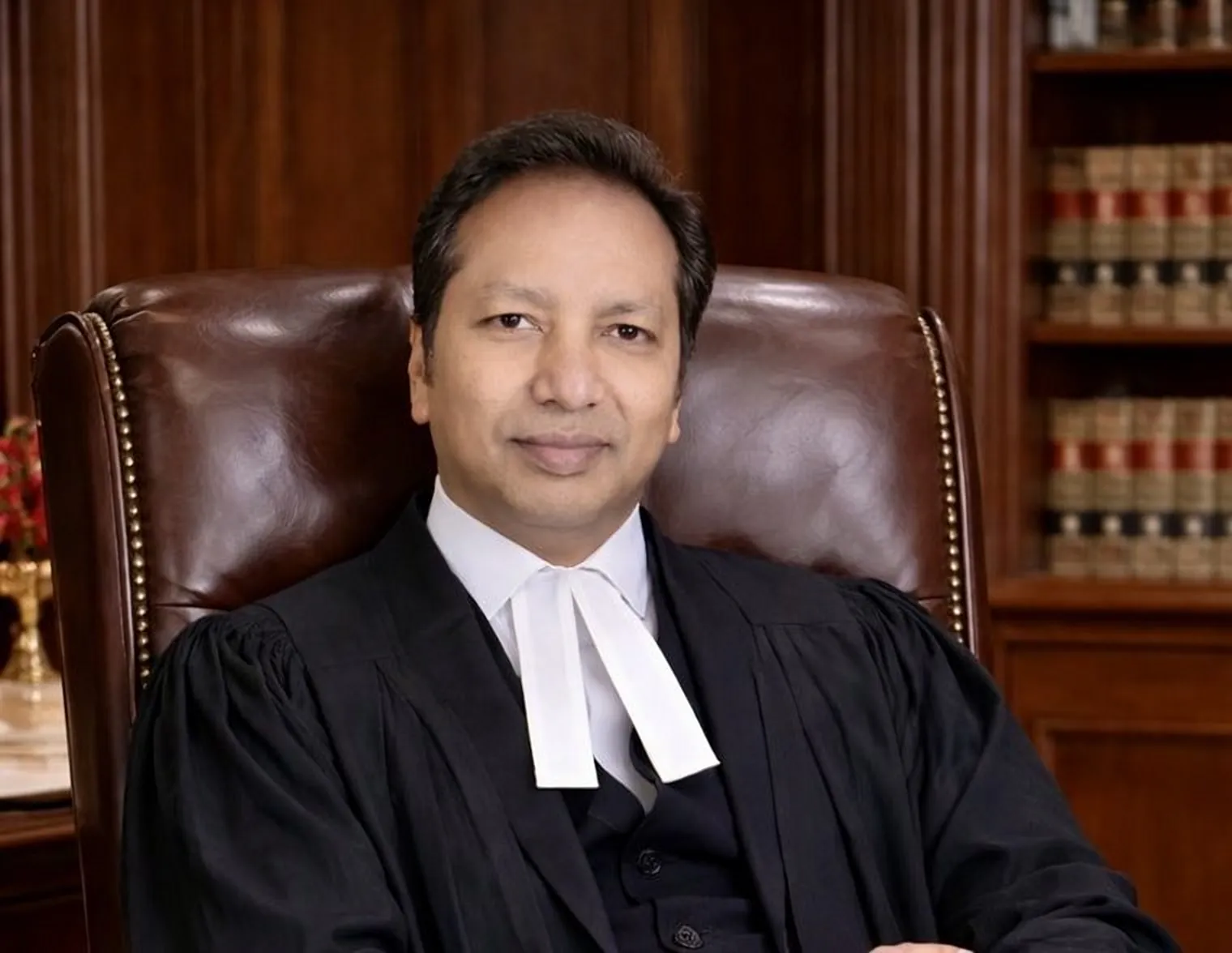
IndiaSupreme Court of India
Madhu Kudapa v. Lodha Healthy Constructions and Developer Pvt. Ltd.
2026 INSC 1131 · 15 October 2026
A homebuyer whose builder failed to deliver on time was awarded a refund of the amount he paid himself, ₹1,27,34,726, with 12% simple interest from each deposit, plus a lump sum of ₹15 lakh for rent, mental agony and litigation costs. Sums his bank had paid to the builder were not refunded to him, as that would give him money he had not paid. The Court also held that rent on top of interest on the full refund would be double compensation.
Why it matters: For buyers with a home loan, a refund covers their own contribution, and the loan portion is dealt with separately with the bank. Once a refund with interest is chosen, rent for the same delay is unlikely to be awarded.
Read the judgment · sci.gov.in
United KingdomHigh Court (Divisional Court)
Nirav Modi v. Government of India
Decision of 25 March 2026
The High Court refused Nirav Modi's application to reopen his 2022 extradition appeal. It accepted written assurances from the Government of India that he would not be interrogated by the CBI, ED, SFIO, DRI or CBDT, and found no exceptional circumstances to justify reopening a concluded appeal.
Why it matters: UK courts give real weight to specific, written Indian government assurances in extradition cases. Such assurances now play a central part in India–UK extradition proceedings.
Case report · Solicitors Journal
DubaiDIFC Court of Appeal
Oheo Bank v. Parker
[2025] DIFC CA 006 · 24 April 2026
For the first time, the DIFC Court of Appeal set aside parts of an arbitral award seated in the DIFC. The tribunal had upheld a claim that was first raised in a post-hearing brief, and the bank had no fair opportunity to answer it. The Court stressed that it will intervene only in cases of real unfairness.
Why it matters: For Indian businesses arbitrating in Dubai, the lesson is to object at once if the other side raises a new claim late, and to ask for the chance to respond.
Case report · Mayer Brown
InternationalInternational Court of Justice
Right to Strike under ILO Convention No. 87
Advisory opinion · 21 May 2026
By 10 votes to 4, the Court advised that workers' right to strike is protected under ILO Convention No. 87 on freedom of association. It did not define the precise scope of the right or the conditions for exercising it. Advisory opinions are not binding judgments.
Why it matters: India has not ratified Convention No. 87, so the opinion does not bind India directly. It is relevant to Indians working in countries that have ratified it, such as the United Kingdom.
Read the opinion · icj-cij.org
SingaporeSingapore International Commercial Court
The Tata Power Co Ltd v. Kleros Capital Partners Ltd
[2026] SGHC(I) 15 · 26 August 2026
The Court dismissed Tata Power's applications to set aside a Singapore-seated SIAC award of about US$490 million and to remove two arbitrators. It applied the high threshold for natural-justice challenges and found that the tribunal had dealt with the issues of causation and remoteness.
Why it matters: Indian companies that choose Singapore arbitration should expect courts to uphold awards except in clear cases of unfairness. Arguments must be raised before the tribunal, not for the first time in court.
Read the judgment · elitigation.sg
NewsIndia and United Kingdom
India–UK trade agreement in force
15 July 2026
The India–UK Comprehensive Economic and Trade Agreement, signed on 24 July 2025, entered into force on 15 July 2026. Under it, 99% of Indian goods entering the UK and 90% of UK goods entering India are duty-free or subject to reduced tariffs.
Why it matters: Indian exporters, and businesses trading between the two countries, should review their contracts and customs arrangements to take advantage of the lower tariffs.
News report · LexisNexis
These summaries are prepared from published judgments and reports for general information only. They simplify the decisions, may not reflect later developments, and are not legal advice. Please read the full judgment before relying on any point. Party names are those used in the published decisions.
 Advocate Dr. Manoj Prasad